Designed Leaves Digital Patterns: A Versatile Resource for Creative Projects
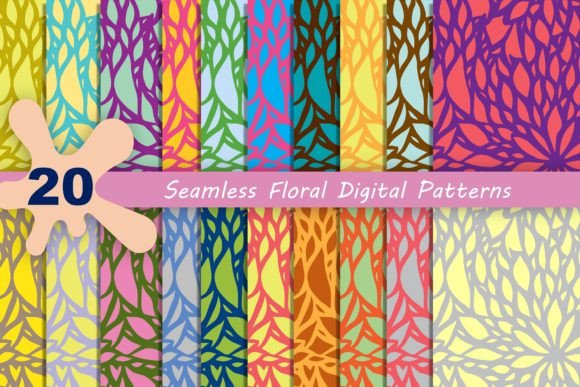
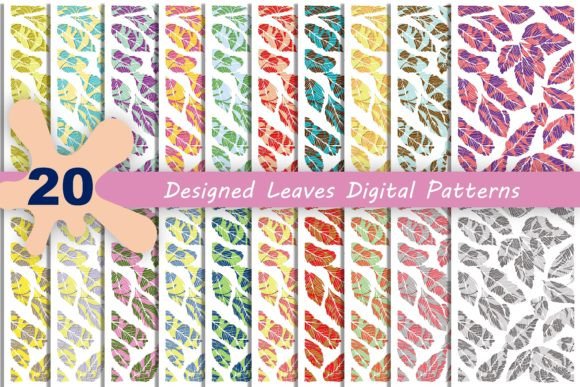
Designed Leaves Digital Patterns offer a unique blend of artistic detail and practicality, making them a popular choice among creatives working on various digital and print-based projects. These patterns are available as a single ZIP folder containing 20 high-resolution JPEG images, each measuring 5906 x 8858 pixels at 300 dpi. This format ensures that the images are suitable for both large-scale printing and detailed digital work.
Understanding Designed Leaves Digital Patterns
The term Designed Leaves Digital Patterns refers to a collection of leaf designs that have been digitally created and formatted for use in a variety of creative applications. Unlike seamless patterns that repeat without visible edges, these leaves are standalone elements, which means they can be placed anywhere within a design without concern for continuity or alignment.
Each image is designed with attention to detail, capturing the natural textures and forms of leaves. The high resolution and pixel dimensions make them ideal for professional-grade outputs, whether you're creating greeting cards, invitations, or even custom products through print-on-demand (POD) services.
Use Cases and Applications
The versatility of Designed Leaves Digital Patterns makes them suitable for a wide range of projects. Here are some common use cases:
- Greeting Cards: Incorporating leaf patterns into greeting cards adds a natural, elegant touch that can enhance any message.
- Gift Cards: These patterns can be used to create personalized gift cards with a unique aesthetic.
- Scrapbooking: The intricate details of the leaves make them perfect for scrapbook pages, adding depth and visual interest.
- Notebook Covers: Designing notebook covers with leaf patterns can give them a distinctive look that stands out from mass-produced options.
- Invitations: Whether for weddings, parties, or events, leaf patterns can add a sense of nature and sophistication to event invitations.
- Crafts: From DIY projects to home decor, these patterns provide a ready-made resource for crafting enthusiasts.
- Print-on-Demand Products: The high-resolution images are well-suited for POD products such as mugs, t-shirts, and calendars.
Comparing Designed Leaves Digital Patterns with Similar Options
When considering alternatives to Designed Leaves Digital Patterns, it's important to evaluate factors such as resolution, format, seamlessness, and adaptability. Many digital pattern collections offer seamless repeats, which are excellent for backgrounds but may not be suitable for projects requiring individual elements.
Seamless vs. Non-Seamless Patterns: While seamless patterns are ideal for textiles and wallpaper, non-seamless options like Designed Leaves Digital Patterns provide more flexibility in design composition. This makes them particularly useful for projects where the placement of individual elements is crucial.
Resolution and Format: The 300 dpi resolution of these images ensures clarity and sharpness when printed, which is essential for professional-grade outputs. In comparison, lower-resolution patterns may not hold up as well under magnification or when printed at larger sizes.
Format Flexibility: The JPEG format offers good quality and compatibility across different software platforms. However, if your workflow requires transparency or layered elements, other formats like PNG might be more appropriate. It's worth noting that JPEGs do not support transparency, so this could be a consideration depending on your specific needs.
Evaluating Strengths and Tradeoffs
The strength of Designed Leaves Digital Patterns lies in their high resolution, versatility, and ease of integration into various design workflows. They are especially well-suited for projects that require detailed, non-repeating elements.
However, there are tradeoffs to consider. Since the patterns are not seamless, they may require more effort in layout and composition compared to repeating patterns. Additionally, the lack of transparency in JPEG files means that using these images in projects that require transparent backgrounds may necessitate additional steps or tools.
Another consideration is the file size. With 20 images in a single ZIP folder, the overall file size can be quite large. This may impact download times and storage requirements, especially if you're working with limited bandwidth or disk space.
Best-Fit Situations and Decision Factors
Designed Leaves Digital Patterns are best suited for individuals or businesses looking to incorporate natural, detailed elements into their projects without relying on seamless repetition. They are particularly useful for designers who need high-quality, non-repeating imagery for print or digital media.
If your project involves creating invitations, greeting cards, or scrapbook pages, these patterns can serve as a valuable resource. They are also an excellent choice for those exploring print-on-demand products, as the high resolution ensures that the final output maintains its quality.
On the other hand, if you're working on a project that requires seamless tiling—such as fabric prints or wallpaper—you may want to explore alternative pattern collections that offer this feature. Similarly, if your workflow depends on transparent backgrounds, you may need to consider other file formats or editing techniques.
Realistic Examples and Practical Comparisons
Consider a scenario where a designer is creating a series of greeting cards for a boutique stationery shop. Using Designed Leaves Digital Patterns allows the designer to place individual leaf images in different positions on each card, giving each one a unique feel while maintaining a cohesive theme. This approach would be more challenging with seamless patterns, which tend to repeat uniformly across the surface.
In contrast, if the same designer were working on a fabric line that requires consistent tiling, seamless patterns would be more appropriate. This highlights the importance of selecting the right type of pattern based on the specific needs of the project.
Another example is a craftsperson designing custom notebooks. By using the leaf patterns provided in the ZIP folder, they can easily insert individual leaves into different sections of the notebook cover, creating a visually engaging design that reflects the natural world.
These examples illustrate how Designed Leaves Digital Patterns can be tailored to fit a wide range of creative needs, making them a versatile option for many designers and creators.
Conclusion
Designed Leaves Digital Patterns provide a valuable resource for those seeking high-quality, non-repeating leaf imagery for a variety of creative projects. Their high resolution, detailed design, and versatility make them suitable for greeting cards, invitations, crafts, and more. However, it's important to consider the limitations, such as the lack of seamlessness and transparency, when deciding whether they are the right choice for your specific needs.
By evaluating your project requirements and comparing options, you can determine whether Designed Leaves Digital Patterns are the best fit for your creative endeavors. Ultimately, the goal is to select resources that align with your vision and technical requirements, ensuring that your final product meets the highest standards of quality and design.