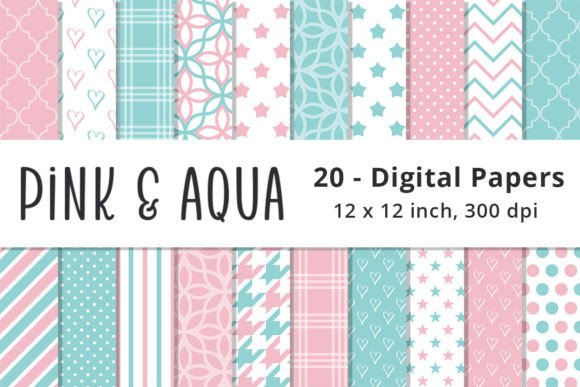
Exploring the Versatility of Blue and White Digital Paper Patterns in Modern Design
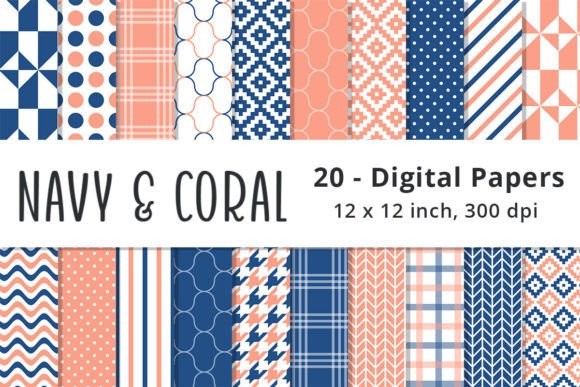
In today's digital design landscape, the use of high-quality digital paper patterns has become an essential element for creators across various fields. Among the many options available, Blue and White Digital Paper Patterns stand out due to their timeless appeal and adaptability. These designs feature a wide range of geometric patterns such as triangles, diamonds, diagonal stripes, polka dots, plaid, checker, Greek key, trellis, herringbone, and more. The combination of blue and white colors offers a clean, professional look that is both versatile and visually appealing.
The collection includes 20 high-quality seamless digital papers in JPG format, each measuring 12 x 12 inches at 300 dpi. While these files are flattened raster images rather than vector formats, they provide excellent resolution for a variety of uses, from print to digital media. Whether you're working on scrapbooking projects, creating planner pages, designing cards, or preparing invitations, these digital papers can enhance your work with minimal effort.
Understanding the Characteristics of Blue and White Digital Paper Patterns
One of the defining characteristics of Blue and White Digital Paper Patterns is their ability to blend functionality with aesthetics. The color scheme—blue and white—is not only visually soothing but also highly effective in conveying professionalism and clarity. This makes it ideal for a wide range of applications, including business materials, educational resources, and personal creative projects.
The geometric nature of these patterns adds depth and visual interest without overwhelming the viewer. For instance, triangle patterns can create a sense of movement, while diamond shapes offer a more structured appearance. Diagonal stripes introduce a dynamic feel, and polka dots add a touch of playfulness. Each pattern serves a unique purpose, allowing designers to choose based on the desired outcome of their project.
Another notable characteristic is the seamless quality of these digital papers. This means that when used as backgrounds or textures, they do not show visible seams or edges, ensuring a polished and professional finish. The high-resolution format (300 dpi) ensures that the details remain crisp and clear even when printed at larger sizes.
Practical Applications of Blue and White Digital Paper Patterns
The versatility of Blue and White Digital Paper Patterns extends across multiple industries and hobbies. In the realm of scrapbooking, these patterns can serve as backgrounds for photo collages, journaling sections, or themed layouts. Their subtle yet distinctive designs make them perfect for creating cohesive and visually appealing pages without distracting from the content.
For those involved in planner page design, these digital papers can be used to create organized and aesthetically pleasing layouts. The geometric elements help break up large blocks of text and graphics, making the information easier to digest. Additionally, the blue and white color scheme provides a calming effect, which is especially beneficial for planners aimed at productivity and mindfulness.
Paper crafts enthusiasts will find these digital papers invaluable for creating cards, tags, and other decorative items. The patterns can be printed and cut into shapes, layered, or combined with other materials to produce intricate and eye-catching designs. The high-quality resolution ensures that even small details remain sharp and clear.
In the context of invitation design, Blue and White Digital Paper Patterns offer a sophisticated and elegant option. Whether it's for weddings, birthdays, or corporate events, these patterns can be customized to match the event's theme while maintaining a professional appearance. The ability to incorporate various geometric elements allows for a wide range of creative possibilities.
Advantages of Using Blue and White Digital Paper Patterns
One of the primary advantages of using Blue and White Digital Paper Patterns is their ease of integration into digital workflows. Since they come in standard JPG format, they can be easily imported into graphic design software such as Adobe Photoshop, Illustrator, or Canva. This accessibility makes them suitable for both beginners and experienced designers alike.
Another significant advantage is their scalability. Because these patterns are seamless and high-resolution, they can be used for both small-scale projects like greeting cards and large-format prints such as posters or banners. This flexibility ensures that the same design can be adapted to meet different needs without compromising on quality.
Moreover, the use of Blue and White Digital Paper Patterns promotes consistency in design. When working on multiple pages or elements within a single project, using the same pattern helps maintain a unified look and feel. This is particularly important in projects such as magazines, reports, or websites where visual coherence is crucial.
Additionally, the availability of 20 different patterns within a single collection provides ample opportunities for experimentation. Designers can mix and match patterns to create unique combinations that suit their specific requirements. This variety ensures that there is always something new to explore, keeping the creative process engaging and dynamic.
Considerations When Using Blue and White Digital Paper Patterns
While Blue and White Digital Paper Patterns offer numerous benefits, there are certain considerations that should be taken into account. One important factor is the file format. As these are flattened raster files, they cannot be edited or modified in the same way as vector-based designs. This means that if a designer needs to make changes to the pattern itself, they may need to work with a different type of file or use additional tools to achieve the desired effect.
Another consideration is the intended use of the digital paper. While the high-resolution format is suitable for most print applications, it is important to ensure that the final output meets the required specifications. For example, if a pattern is being used for a website background, it may need to be optimized for web use to ensure fast loading times and compatibility with different screen sizes.
Lastly, designers should be mindful of copyright and licensing issues. Although many digital paper collections are available for purchase, it is essential to understand the terms of use associated with each file. Some patterns may be restricted to personal use only, while others may allow commercial use under certain conditions. Always review the licensing agreement before incorporating any digital paper into a project.
By taking these factors into account, designers can make informed decisions about how best to use Blue and White Digital Paper Patterns in their work. Whether for personal projects or professional endeavors, these patterns offer a valuable resource for enhancing the visual appeal of any design.