Impressionist Floral Patterns
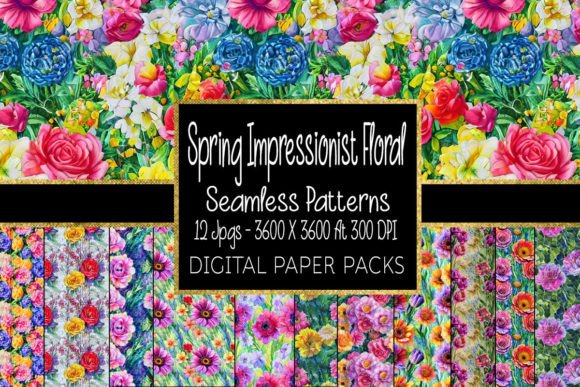
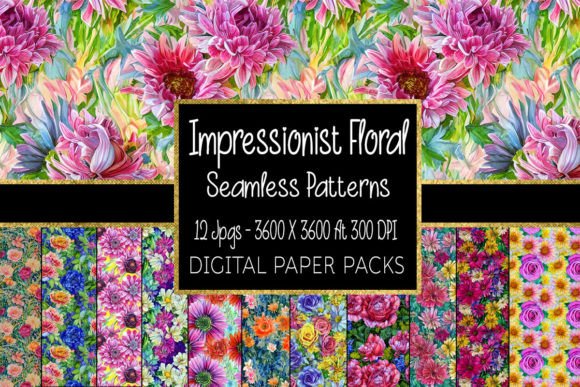
Impressionist Floral Patterns bring a soft, artistic flair to modern graphic design, blending the elegance of 19th-century art with contemporary digital needs. These intricate designs offer a unique way to infuse visual warmth and sophistication into creative projects, making them a valuable asset for designers looking to elevate their work. This collection of Impressionist Floral Papers includes 12 JPG seamless patterns and 12 JPG backgrounds with commercial and POD licensing, all at a high resolution of 3600 x 3600 pixels and 300 dpi. Whether you're working on branding, web design, or print materials, these assets provide versatility and quality that can enhance your design workflow.
Elevating Visual Design with Impressionist Florals
Impressionist Floral Patterns are more than just decorative elements—they serve as powerful tools for visual storytelling. Their soft brushstrokes and delicate compositions evoke emotion and movement, creating a sense of depth and atmosphere. In graphic design, this translates into engaging visuals that capture attention while maintaining a professional aesthetic. These patterns are especially useful in projects where a balance between artistic expression and clean design is essential.
Their application spans multiple areas of design, including branding and logo design, where they can subtly reinforce a brand’s identity through consistent visual language. They also work well in social media graphics, adding a touch of elegance to posts, banners, and advertisements. For web design and UI/UX, these patterns can be used as background elements to create a cohesive and visually appealing interface without overwhelming the user experience.
Practical Applications in Creative Projects
Here are some practical ways to use Impressionist Floral Patterns in your creative projects:
- Marketing Materials: Incorporate these patterns into brochures, flyers, or posters to add an artistic edge while maintaining readability.
- Packaging Design: Use them as background textures for product packaging to create a premium feel and stand out on store shelves.
- Editorial Layouts: Apply them to magazine spreads or blog templates to enhance the visual appeal and guide the reader's eye effectively.
- Digital Products: These patterns are perfect for designing templates, stationery, or even merchandise such as T-shirts and mugs.
With the ability to scale up to 3600 x 3600 pixels, these high-resolution images ensure crisp clarity across various platforms—from digital screens to printed materials. The inclusion of both seamless patterns and background papers allows for flexibility in design, whether you need a repeating texture or a full-bleed background.
Selecting the Right Design Elements
When choosing Impressionist Floral Patterns, it's important to consider how they align with your project’s goals and audience expectations. A cohesive color palette and typography should complement the floral motifs rather than compete with them. For example, using bold, sans-serif fonts alongside softer floral designs can create a striking contrast that enhances visual hierarchy.
Also, evaluate how these patterns interact with other design elements like imagery and layout. Avoid overusing them, as this can lead to visual clutter. Instead, apply them strategically—perhaps as subtle accents or in designated sections of a design to maintain balance and focus.
Another key factor is ensuring compatibility with your existing brand systems. If you’re updating a brand identity or launching a new one, these patterns can help establish a distinctive look that resonates with your target market. Their versatility makes them suitable for a wide range of industries, from fashion and lifestyle to wellness and luxury goods.
By thoughtfully integrating Impressionist Floral Patterns into your design workflow, you can achieve a polished and professional result that stands out in today’s competitive design landscape. Quality creative assets like this collection not only enhance aesthetics but also support effective communication, making them an invaluable addition to any designer’s toolkit.