Minimalist Seamless Patterns: The Ultimate Guide to Versatile Design Elements
The Rise of Minimalist Seamless Patterns in Modern Design
In today's design landscape, minimalist seamless patterns have emerged as a staple for creators across various industries. These patterns are not just aesthetic choices; they represent a practical and versatile solution for both digital and physical applications. With their clean lines and repeating nature, minimalist seamless patterns offer endless possibilities for creative expression.
Designers often turn to these patterns because they provide a sense of order and simplicity that can be easily adapted to different contexts. Whether it's for fashion, home décor, or digital media, the adaptability of minimalist seamless patterns makes them an invaluable asset.
Characteristics of Minimalist Seamless Patterns
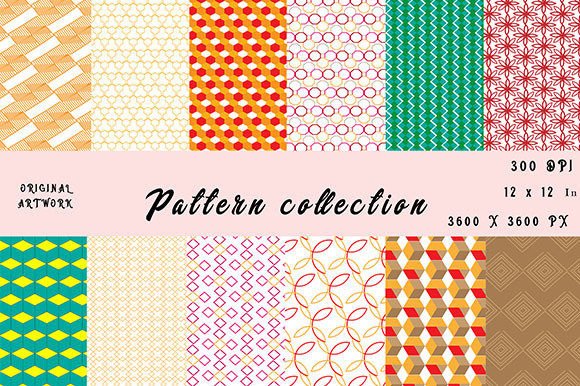
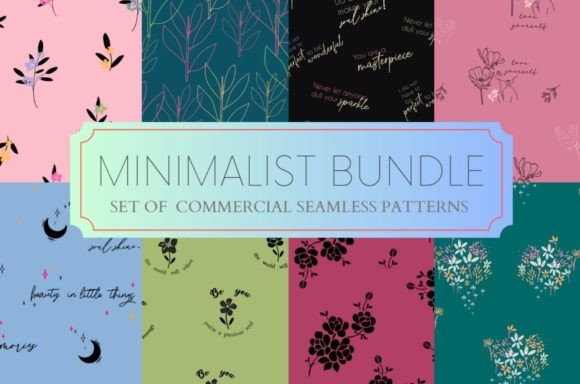
Minimalist seamless patterns are defined by their simplicity and repetition. They typically feature geometric shapes, subtle textures, or abstract forms that repeat without interruption. This characteristic allows them to be used on any surface without visible seams or breaks.
- Simplicity: The use of minimal elements ensures that the pattern does not overwhelm the viewer.
- Repetition: The seamless nature allows for easy application across large surfaces or digital backgrounds.
- Flexibility: These patterns can be scaled up or down without losing quality, making them suitable for various mediums.
These characteristics make minimalist seamless patterns ideal for both beginners and professionals looking to enhance their projects with a touch of elegance and sophistication.
Applications Across Various Industries
The versatility of minimalist seamless patterns extends beyond just visual appeal. They find their way into numerous industries, including fashion, home décor, and digital design. Let's explore some of the key applications.
In the fashion industry, minimalist seamless patterns are commonly used in apparel such as t-shirts, sweatshirts, dresses, and even children's wear. Their ability to blend seamlessly with fabric allows for unique designs that stand out while maintaining a clean look.
For home décor, these patterns can be applied to blankets, notebook covers, journal covers, and gift wrapping papers. The patterns add a subtle texture that enhances the overall aesthetic of the item without overpowering it.
In the realm of digital design, minimalist seamless patterns serve as excellent backgrounds for websites, blogs, and social media platforms. Their clean appearance ensures that the content remains the focal point while providing a cohesive visual experience.
Advantages of Using Minimalist Seamless Patterns
There are several advantages to incorporating minimalist seamless patterns into your design projects. One of the most significant benefits is their ease of use. Because they are seamless, they can be applied to any surface without requiring complex adjustments or modifications.
Another advantage is the time-saving aspect. Designers can quickly apply these patterns to various surfaces without worrying about alignment or seam issues. This efficiency is particularly beneficial for those working on tight deadlines or managing multiple projects simultaneously.
Moreover, minimalist seamless patterns promote brand consistency. When used consistently across different marketing materials, they help reinforce brand identity and create a unified visual language.
Considerations When Choosing Minimalist Seamless Patterns
While minimalist seamless patterns offer numerous benefits, there are a few considerations to keep in mind when selecting them for your projects. First, it's essential to choose a pattern that aligns with the overall theme or message of your project. A mismatched pattern can detract from the intended effect.
Additionally, consider the resolution and file format of the pattern. High-quality files, such as EPS or JPEG at 300dpi, ensure that the pattern maintains clarity and detail when printed or displayed digitally. It's also crucial to verify that the pattern is scalable without losing quality.
Lastly, think about the color palette of the pattern. While minimalist patterns often feature neutral tones, you can still find options in vibrant colors that can complement your design needs. Choosing the right color can significantly impact the overall look and feel of your project.
Real-World Examples of Minimalist Seamless Patterns in Action
To better understand the practicality of minimalist seamless patterns, let's look at some real-world examples. In the world of fashion, designers like Stella McCartney have incorporated minimalist patterns into their collections, creating elegant pieces that resonate with modern consumers.
For home décor, brands such as Anthropologie utilize minimalist seamless patterns on items like throw pillows and bedding, enhancing the ambiance of living spaces with subtle yet impactful designs.
In the digital space, websites like Apple and Google employ minimalist patterns as background elements, ensuring that the user experience remains focused on content while maintaining a sleek and professional appearance.
Creating Your Own Minimalist Seamless Patterns
If you're interested in creating your own minimalist seamless patterns, there are several tools and techniques you can explore. Software like Adobe Illustrator and Photoshop offers powerful features for designing and editing patterns. Additionally, online platforms provide access to tutorials and templates that can guide you through the process.
When designing your own patterns, start with simple shapes and gradually build complexity. Experiment with different colors and layouts to discover what works best for your intended application. Remember, the goal is to create something that feels cohesive and visually appealing.
Once you've created your pattern, test it on various surfaces to ensure it functions seamlessly. This step is crucial to avoid any unexpected issues when applying the pattern to your final product.
The Future of Minimalist Seamless Patterns
As design trends continue to evolve, the role of minimalist seamless patterns is likely to expand further. With the increasing demand for sustainable and eco-friendly practices, these patterns may become even more popular as they can be easily adapted for various uses without excessive waste.
Furthermore, advancements in technology will likely lead to new applications for minimalist seamless patterns. As augmented reality and virtual reality become more prevalent, these patterns could play a significant role in immersive experiences, offering users a consistent visual backdrop that enhances engagement.
Ultimately, minimalist seamless patterns are more than just decorative elements; they represent a thoughtful approach to design that prioritizes functionality, aesthetics, and versatility. By embracing these patterns, designers can unlock new possibilities for creativity and innovation across various industries.