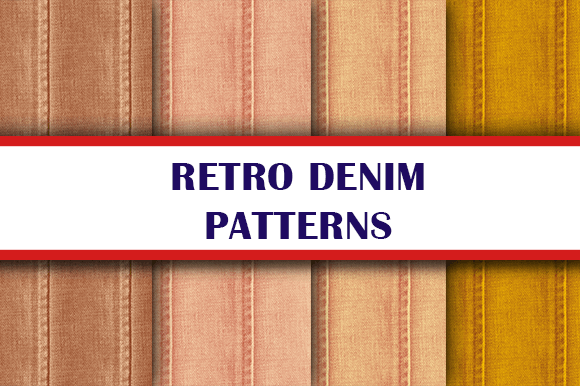
Retro Denim Patterns: A Versatile Design Element for Creative Projects
Retro denim patterns are a nostalgic design element that draws inspiration from the fashion and fabric trends of the past. These patterns often feature classic denim textures, faded washes, and vintage-style stitching, making them a popular choice for those looking to add a touch of retro charm to their creative projects. Whether you're designing invitations, posters, or digital content, retro denim patterns can provide a unique visual appeal that stands out in today's modern design landscape.
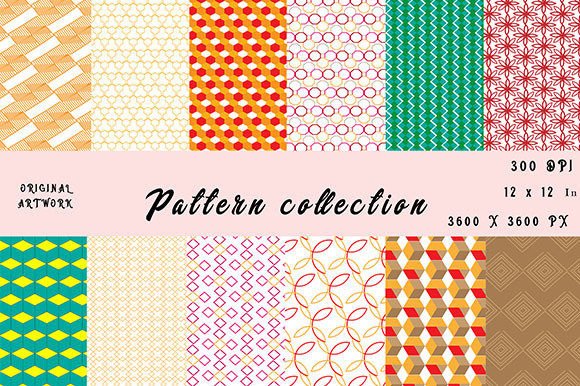
These patterns are typically available in high-resolution formats, such as 300 dpi, which ensures clarity and sharpness when used in print or digital media. Their versatility makes them suitable for various applications, including scrapbooks, social media posts, and even as background or overlay elements in graphic design software. This adaptability is one of the key reasons why many designers and creators are interested in incorporating retro denim patterns into their work.
Why Consider Retro Denim Patterns?
There are several reasons why someone might be drawn to retro denim patterns. One of the primary factors is their aesthetic appeal. The worn-in look of denim, combined with the vintage feel of the patterns, can evoke a sense of nostalgia and authenticity. This can be especially effective for projects targeting audiences who appreciate retro aesthetics or historical themes.
Another advantage of using retro denim patterns is their compatibility with a wide range of color schemes. These patterns often come in various shades of blue, gray, and beige, allowing for flexibility in design choices. This makes them a great option for those looking to create cohesive visual identities across different platforms.
Additionally, the ease of use associated with retro denim patterns is a significant benefit. Most files are designed to be downloaded and used directly in popular design software, eliminating the need for complex editing or customization. This convenience can save time and effort, particularly for individuals or businesses with tight deadlines.
Benefits and Tradeoffs
The benefits of using retro denim patterns include their visual impact, versatility, and ease of integration into various design projects. They can enhance the overall look of a design by adding texture and depth, making them ideal for backgrounds, overlays, or as part of a larger composition.
However, there are also some tradeoffs to consider. While these patterns can be highly effective, they may not be suitable for all types of projects. For instance, if a design requires a more contemporary or minimalist approach, retro denim patterns could clash with the intended aesthetic. It's important to evaluate whether the pattern complements the overall theme and purpose of the project.
Another consideration is the potential need for customization. Although many retro denim patterns are ready to use, some users may find that they need to adjust the colors, scale, or layout to better fit their specific needs. This can require additional time and effort, which should be factored into the decision-making process.
Situations Where Retro Denim Patterns Are a Strong Fit
Retro denim patterns are particularly well-suited for projects that aim to evoke a sense of nostalgia or pay homage to past eras. They are an excellent choice for themed events, such as retro-themed parties, vintage fashion showcases, or historical reenactments. In these cases, the patterns can help reinforce the desired atmosphere and aesthetic.
They are also a strong fit for creative professionals who want to differentiate their work from more conventional designs. By incorporating retro denim patterns, designers can create unique visuals that stand out in a crowded market. This can be especially beneficial for branding efforts that seek to establish a distinct identity.
Moreover, these patterns are ideal for digital content creators who want to add a textured feel to their social media posts or online marketing materials. The visual richness of denim patterns can capture attention and encourage engagement, making them a valuable asset in content creation strategies.
When Alternatives May Be Worth Considering
While retro denim patterns offer numerous advantages, there are situations where alternative design elements may be more appropriate. For example, if a project requires a clean, modern look, opting for simpler geometric patterns or solid colors might be a better choice. These alternatives can provide a more streamlined appearance that aligns with current design trends.
Additionally, if the project involves intricate details or requires a high level of precision, using a retro denim pattern may not be the best option. In such cases, it's important to prioritize clarity and readability over decorative elements. This is particularly relevant for projects like infographics or data visualizations, where the focus should remain on the information being presented.
It's also worth considering the target audience when selecting design elements. If the audience prefers a more contemporary style, retro denim patterns may not resonate as strongly. Understanding the preferences and expectations of the audience can help ensure that the chosen design elements effectively communicate the intended message.
Practical Insights for Decision-Making
When deciding whether to incorporate retro denim patterns into your design projects, it's essential to evaluate both the aesthetic and functional aspects. Consider how the pattern will interact with other design elements, such as text, images, and colors. Ensuring that the pattern enhances rather than overwhelms the overall composition is crucial for achieving a balanced look.
Additionally, think about the context in which the design will be used. Will it be viewed on a screen or printed on paper? High-resolution files are necessary for print applications, while digital projects may allow for slightly lower resolutions. Understanding these requirements can help prevent issues related to image quality.
Finally, always test the pattern in different scenarios before finalizing your design. Seeing how the pattern looks in various contexts can provide valuable insights and help you make informed decisions about its suitability for your project.