Watercolor Dots Patterns: A Digital Asset for Creative and Professional Workflows
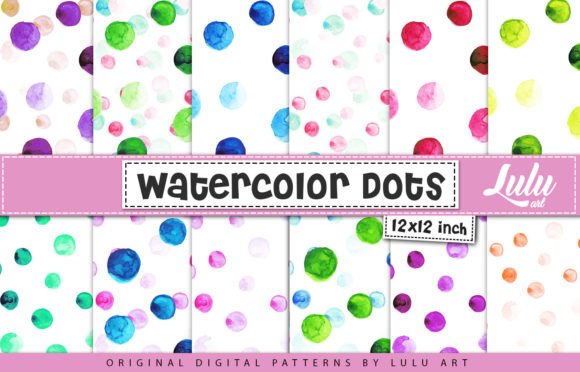
Watercolor Dots Patterns offer a versatile and visually appealing resource for anyone involved in creative or professional projects. These digital files are designed to enhance the aesthetic quality of printed materials, whether you're working on graphic design, packaging, branding, or personal crafts. As a set of 12 high-quality digital paper sheets, each measuring 12 x 12 inches, they provide a consistent and elegant background that can be applied across a wide range of mediums and outputs.
Understanding Watercolor Dots Patterns
Watercolor Dots Patterns are digital assets composed of repeating watercolor-style dot patterns. These designs mimic the soft, organic feel of traditional watercolor paintings but are optimized for digital use. The result is a collection of textures that add depth and visual interest without overwhelming the content they accompany.
Each pattern is provided as a 300 dpi JPEG file, ensuring sharpness and clarity when printed. This makes them ideal for use in print-on-demand services, custom packaging, or even as backgrounds for digital presentations. The entire set is compressed into a ZIP file, which requires basic knowledge of unzipping to access the individual files.
Integrating Watercolor Dots Patterns into Your Workflow
Incorporating Watercolor Dots Patterns into your workflow can streamline your creative process and elevate the visual appeal of your projects. Whether you're a designer, educator, marketer, or hobbyist, these patterns can serve multiple purposes throughout different stages of your work.
Before Starting a Project: Consider using these patterns as inspiration or mood boards. Their subtle texture can help set the tone for your project’s visual identity. You might also use them to test color schemes or layout ideas before finalizing your design.
During the Creation Process: As you develop your designs, Watercolor Dots Patterns can act as background elements or overlays. They are especially useful when creating templates, stationery, or promotional materials where a soft, artistic touch is desired. Their versatility allows them to complement both minimalist and intricate designs.
After Finalizing a Design: Once your project is complete, these patterns can be used to enhance the final output. For example, they can be applied as backgrounds in printed brochures, social media graphics, or even as part of branded merchandise like notebooks or calendars.
Practical Implementation Tips
To make the most of Watercolor Dots Patterns, consider the following tips for practical implementation:
- Compatibility: Ensure that your design software (such as Adobe Photoshop, Illustrator, or Canva) supports JPEG files. Most modern tools will handle them seamlessly.
- Organization: Store the unzipped files in an organized folder structure. Labeling each pattern by its name or intended use can save time when selecting the right one for a specific project.
- Consistency: Use the same pattern consistently across related materials to maintain a cohesive brand image or thematic continuity.
- Quality Control: Always preview how a pattern looks at the intended size and resolution before printing. This helps avoid unexpected results due to scaling or compression issues.
Additionally, keep in mind that these patterns are best used as accents rather than dominant features. They should support the main content rather than distract from it.
Workflow Examples and Use Cases
Watercolor Dots Patterns can be integrated into various workflows depending on your needs. Here are some examples of how they can be applied:
Graphic Design: Use them as background textures for posters, flyers, or web banners. Their soft, artistic look can give a more handcrafted feel to otherwise digital content.
Product Packaging: Incorporate them into packaging designs for a unique, artisanal appearance. They work well with eco-friendly or handmade product lines.
Educational Materials: Apply them as backgrounds for worksheets, flashcards, or presentation slides. The gentle texture can make learning materials more engaging without being distracting.
Personal Projects: Use them for scrapbooking, journaling, or DIY crafts. They can add a decorative element to handmade cards, planners, or photo albums.
Marketing and Branding: Integrate them into branded stationery, such as business cards, envelopes, or thank-you notes. This creates a unified and memorable visual identity.
Long-Term Use and Efficiency
One of the key advantages of Watercolor Dots Patterns is their reusability. Since they are digital files, you can use them repeatedly across different projects without worrying about wear and tear. This makes them a cost-effective investment for anyone who frequently produces printed or digital content.
For long-term efficiency, store the ZIP file in a secure location, such as cloud storage or an external drive. Keeping a backup ensures that you always have access to the patterns, even if your primary device fails.
Consider creating a library of preferred patterns within your design software. Many programs allow you to import and organize digital assets, making it easier to locate and apply them during future projects.
Additionally, take note of which patterns work best with certain color palettes or layouts. Over time, this knowledge will help you make quicker decisions and improve the overall quality of your work.
Conclusion
Watercolor Dots Patterns are a valuable addition to any creative or professional toolkit. Their ability to enhance visual elements while maintaining a clean and elegant aesthetic makes them suitable for a wide range of applications. By understanding how to integrate them into your workflow, you can achieve more polished and professional results with greater ease.
Whether you're designing for clients, creating educational resources, or simply pursuing a personal passion, these digital files offer a flexible and high-quality solution that fits seamlessly into your routine. With proper organization and thoughtful application, Watercolor Dots Patterns can become an essential part of your creative process.